






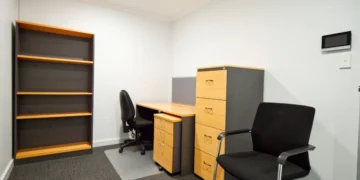









- Creative interiors and virtual room makeover design ideas to inspire your next project
- Understanding the Tools for Digital Transformation
- Choosing the Right Software
- Creating a Cohesive Color Palette
- The Psychology of Color
- Optimizing Furniture Layouts for Flow and Function
- Principles of Effective Furniture Arrangement
- Adding Texture and Dimension with Virtual Décor
- Lighting and its Impact on Virtual Spaces
- Beyond the Visual: Considering Practical Applications
Creative interiors and virtual room makeover design ideas to inspire your next project
The desire for a refreshed living space is universal, yet often constrained by budget or time. Thankfully, advancements in technology have provided an accessible solution: the virtual room makeover. This innovative approach allows individuals to reimagine their homes without the commitment of physical renovations, offering a cost-effective and convenient way to explore different design possibilities. It's about visualizing potential changes, experimenting with colors and layouts, and ultimately creating a space that better reflects personal style and needs.
Beyond simple aesthetic improvements, a well-planned virtual makeover can address functionality concerns, solve spatial challenges, and even increase the perceived value of a property. The process empowers homeowners to take control of their interior design, fostering a sense of creativity and ownership. Whether you're considering a complete overhaul or just want to tweak existing elements, the digital realm provides a safe and inspiring platform to begin your transformation.
Understanding the Tools for Digital Transformation
The foundation of any successful virtual room makeover lies in utilizing the right tools. A plethora of software options are available, ranging from user-friendly mobile applications to sophisticated professional-grade programs. Many applications now leverage augmented reality (AR) technology, allowing users to overlay furniture and décor directly onto live camera feeds of their rooms, providing a remarkably realistic preview. These tools often feature extensive catalogs of furniture, paint colors, and accessories from real-world retailers, simplifying the process of sourcing desired items. Crucially, understanding the limitations of each tool is also important. Some free options may lack the precision or customization of paid software, while more complex programs require a steeper learning curve.
Choosing the Right Software
Selecting the appropriate software depends largely on your technical skill level and the scope of your project. For simple furniture arrangement and color scheme adjustments, a mobile app like Room Planner or Magicplan might suffice. These applications are intuitive and often include pre-designed room templates to get you started. However, if you're planning more extensive changes, such as altering wall structures or flooring, a more robust program like SketchUp or Planner 5D is recommended. These programs offer greater control over dimensions, materials, and lighting, enabling more accurate visualizations. Consider compatibility with your device and operating system, as well as the availability of tutorials and support resources.
| Room Planner | Free/Subscription | 2D/3D Room Planning, Furniture Placement, Basic Decor |
| Planner 5D | Free/Subscription | Detailed 3D Modeling, Extensive Catalog, Realistic Rendering |
| SketchUp | Subscription | Professional 3D Modeling, Complex Designs, Architectural Precision |
Experimenting with several free trials before committing to a subscription is a wise approach. This allows you to assess the usability and features of each program, ensuring it aligns with your specific needs and preferences.
Creating a Cohesive Color Palette
Color profoundly impacts mood and atmosphere. A virtual room makeover offers the perfect opportunity to experiment with different color schemes without the commitment of painting an entire room. Start by considering the existing elements that remain constant, such as flooring or cabinetry. These should serve as a foundation for your color choices. Online color palettes and mood boards can be incredibly helpful resources. Websites like Coolors or Adobe Color provide pre-generated palettes or allow you to create custom combinations based on your preferences. Don't be afraid to explore unconventional pairings – sometimes the most unexpected colors create the most striking results. Remember to consider the impact of natural light on your chosen colors; a shade that appears vibrant in a sample may look different in your actual space.
The Psychology of Color
Understanding the psychological effects of color is crucial for achieving the desired ambiance. For instance, blues and greens tend to evoke feelings of calm and tranquility, making them ideal for bedrooms or relaxation spaces. Warmer tones like reds and oranges can stimulate energy and conversation, suitable for living rooms or dining areas. Neutral colors like grays and whites provide a versatile backdrop for accent colors and can create a sense of spaciousness. Consider your personal preferences and the intended function of the room when making your color selections. Utilizing the virtual makeover process allows you to 'try on' different colors without any physical mess, aiding in a more informed decision.
- Blue: Promotes calmness, serenity, and focus.
- Green: Represents nature, growth, and balance.
- Yellow: Evokes happiness, optimism, and energy.
- Red: Stimulates passion, excitement, and courage.
Virtual tools can also simulate different paint finishes, such as matte, satin, or gloss, allowing you to visualize how the texture impacts the overall look of the room. This level of detail can significantly influence your final decision.
Optimizing Furniture Layouts for Flow and Function
Even the most beautiful furniture can feel cramped or awkward if the layout isn't optimized for flow and function. A virtual room makeover allows you to experiment with different furniture arrangements without the strenuous physical labor of moving heavy items. Consider the natural pathways through the room and ensure that furniture doesn't obstruct these areas. Prioritize functionality; arrange furniture to support the primary activities that take place in the room, such as conversation, dining, or entertainment. Think about creating distinct zones within the room, such as a reading nook, a work area, or a media center. The goal is to create a space that is both aesthetically pleasing and practical for your everyday life.
Principles of Effective Furniture Arrangement
Several key principles guide effective furniture arrangement. Maintaining a conversational distance between seating areas is crucial for fostering connection. Balancing visual weight is also important – avoid concentrating all the heavy furniture on one side of the room. Using area rugs to define zones can visually anchor furniture groupings and create a sense of cohesion. Furthermore, consider the scale of the furniture in relation to the room's size. Oversized furniture can overwhelm a small space, while undersized furniture may appear lost in a large room. The virtual environment is the perfect place to test these principles before committing to any changes.
- Determine the focal point of the room (e.g., fireplace, window).
- Arrange furniture around the focal point.
- Create clear pathways for movement.
- Balance visual weight throughout the space.
- Consider the scale of furniture in relation to the room size.
Don't hesitate to explore unconventional arrangements. A virtual makeover allows you to break free from traditional layouts and discover new ways to utilize your space.
Adding Texture and Dimension with Virtual Décor
Beyond furniture and color, décor plays a vital role in adding personality and depth to a room. Virtual room makeover tools allow you to experiment with a wide range of decorative elements, such as artwork, curtains, pillows, and rugs. These accessories can dramatically transform the overall aesthetic of a space. Consider incorporating different textures to add visual interest and create a more inviting atmosphere. Layering textures, such as a soft rug over a hardwood floor or a chunky knit throw over a leather sofa, can create a sense of warmth and comfort. Pay attention to patterns and prints, using them strategically to add personality and create focal points.
Lighting and its Impact on Virtual Spaces
Lighting is often underestimated, yet it's one of the most impactful elements of interior design. A virtual room makeover allows you to simulate different lighting scenarios and assess their effect on the overall mood and atmosphere. Experiment with various light sources, including natural light, ambient lighting, task lighting, and accent lighting. Consider the color temperature of the bulbs – warm tones create a cozy ambiance, while cool tones provide a more energizing effect. Pay attention to the placement of lighting fixtures to maximize their impact and minimize shadows. The ability to control and visualize lighting in a virtual environment is invaluable for making informed decisions.
Beyond the Visual: Considering Practical Applications
A virtual room makeover isn’t solely about aesthetics; it’s also a fantastic tool for solving practical problems. Perhaps you struggle with maximizing storage space, or you’re unsure how to create a functional home office within a limited area. The virtual environment allows you to experiment with different storage solutions, such as shelving units, cabinets, and organizers, without the expense of purchasing them upfront. You can also test different configurations to optimize workflow and ensure adequate space for your needs. This iterative process can reveal solutions you might not have considered otherwise. It’s a low-risk way to address functional challenges and transform your space into a more efficient and enjoyable environment.
Furthermore, consider how the virtual makeover process can aid in communication with professionals, such as interior designers or contractors. A clear visualization of your ideas can streamline the design process, ensuring that everyone is on the same page. It also allows you to present your preferences confidently and make informed decisions based on a realistic representation of the final outcome. The ability to accurately convey your vision is paramount to achieving a successful result, and the virtual room makeover provides the perfect platform to do just that.